
Technology
Technology
FLUX evaporates anode material in vacuum and deposits it directly onto copper foil. The result is thinner, more uniform and wider than a rolled foil can be.
01 Anode
Lithium metal, 75%+ thinner than graphite
Graphite stores lithium between its carbon layers, so the electrode needs a certain thickness. A lithium metal anode stores lithium as the metal itself, so only the amount the cell needs has to be deposited.
Anode layers drawn to scale.
02 Deposition
Vacuum deposition
Conventional lithium metal anodes are made by rolling lithium foil, which limits thickness and width and leaves an uneven surface. FLUX evaporates lithium in vacuum and deposits it directly onto copper foil.
| Property | Conventional Li metal anode | FLUX Li metal anode |
|---|---|---|
| Method | Rolled or pressed foil | Vacuum thermal evaporation (PVD) |
| Thickness | Difficult below 20 µm | A few nm – 20 µm |
| Width | Around 100 mm | Over 250 mm |
| Film | Non-uniform; particle formation | Uniform within ±5% |
| Dendrites | Grow on uneven surfaces | Suppressed by a flat surface and a stable Multi-SEI layer |
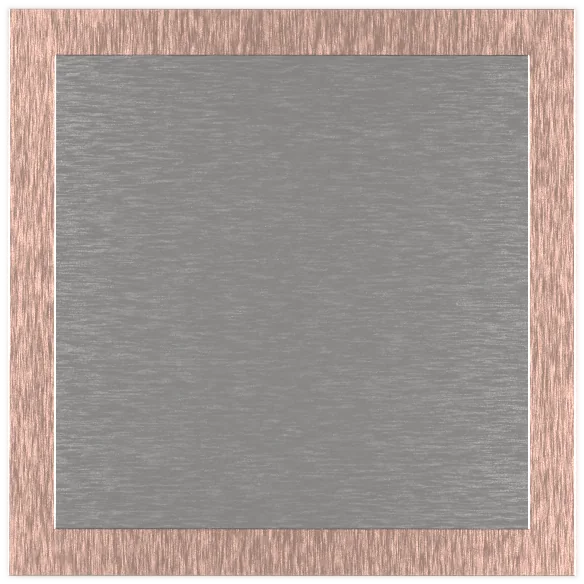
Uniform within ±5%
A uniform surface plates and strips lithium evenly, which reduces dendrite growth.
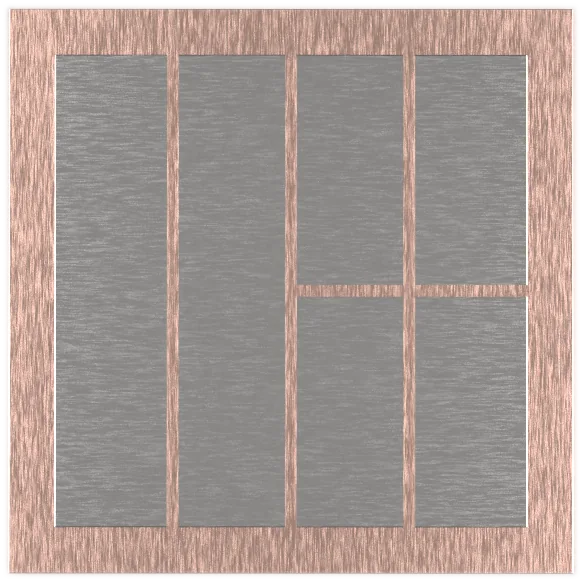
Patterned deposition
Masked deposition places lithium only where the cell design requires it.
Multi-SEI protective layer
On a flat lithium surface the SEI layer stays stable. On an uneven surface it is damaged, and dendrites grow through the gaps.
300 × 300 mm PVD deposition R&D line
Operating since October 2025